


Last month, a designer shared screens in a team review.
Clean layouts. Sharp visuals. Interactions mapped out.
The room went quiet.
Then it started:
“I don’t like that color.”
“Make the logo bigger.”
“Can we use the font from last year’s campaign?”
Half an hour later, the conversation was all tweaks. Surface changes. Safe opinions.
No one touched the user flow or the core problem it solved.
The real risks stayed hidden.
This plays out everywhere
Feedback lands on what’s easy to see, not what’s hard to fix.
Colors and fonts feel safe to critique. Everyone has an opinion.
Strategy and user needs feel risky. Requires thinking. Easier to stay quiet.
So reviews become opinion sessions. Not problem-solving.
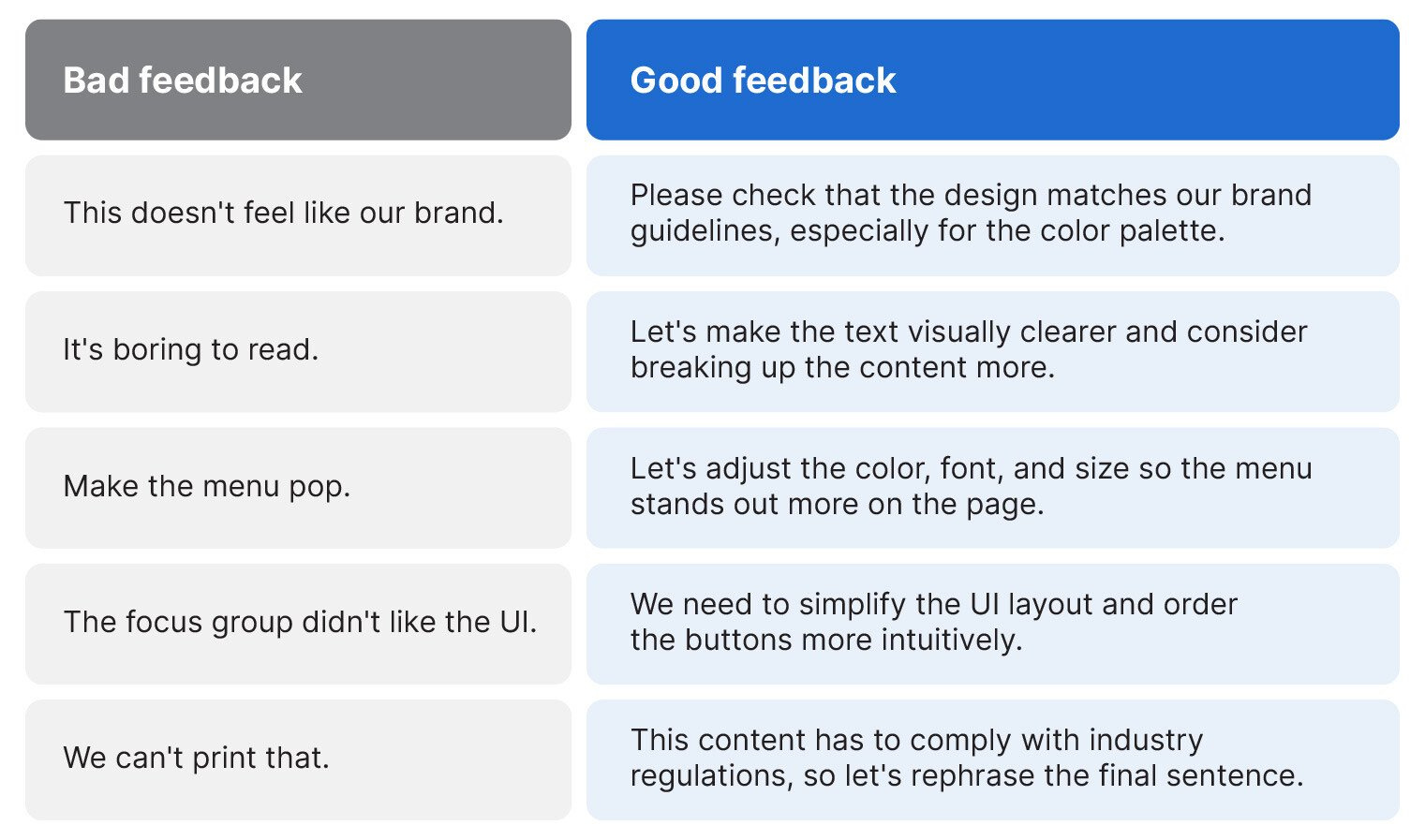
What bad feedback sounds like
“I hate blue” - vague, taste-based, shuts down thinking
“Move this button” - directive, skips the why
“This looks off” - unclear, no direction
“My wife would prefer red” - irrelevant external opinion
“We always do it this way” - blocks new ideas
Why this happens
Bad feedback feels productive. You’re participating. Contributing. Being heard.
But you’re not helping. You’re creating work that doesn’t matter.
Designer leaves with a list of changes. None address whether the design actually solves the problem.
Six months later, metrics don’t improve. Everyone wonders why.
Because you optimized the wrong things.
Psychology insight
🧠 HiPPO effect and groupthink
HiPPO (Highest Paid Person’s Opinion) describes how senior voices dominate discussions regardless of expertise. When the most senior person speaks first, others fall in line, suppressing better ideas.
Combined with groupthink, teams converge on safe consensus rather than challenging assumptions. People critique surface elements because disagreeing about color feels safer than questioning strategy.
This explains why:
Junior designers rarely challenge flows in reviews
Teams talk surface details while ignoring core problems
Bold ideas get watered down to acceptable mediocrity
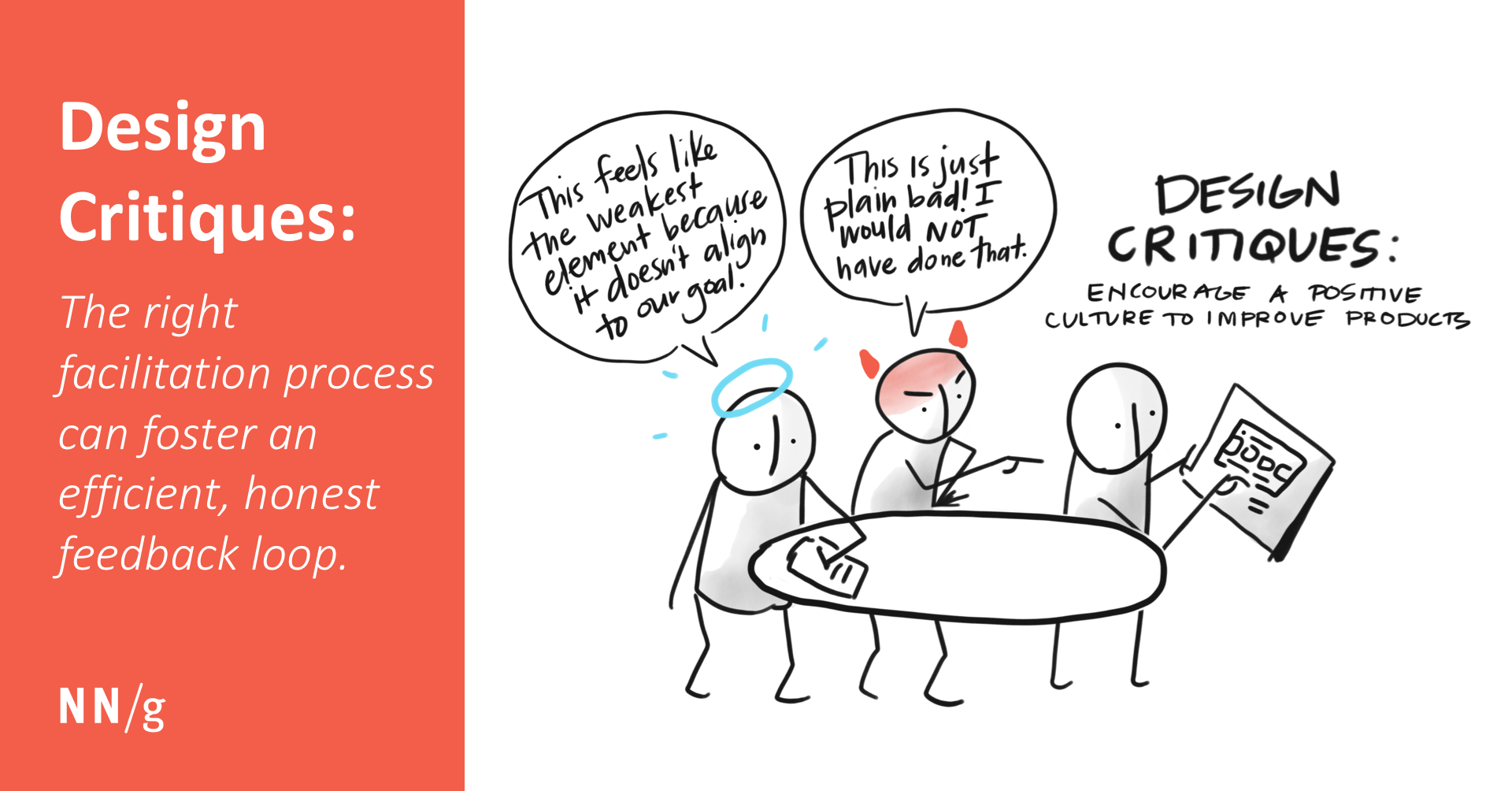
What works instead
Frame the session upfront.
Share user needs and business goals first.
Then ask: “How well does this meet them?”
Guide feedback toward decisions that matter:
Does this help users complete their task?
Does this build trust or create confusion?
Where does the flow break?
Skip the “I like” and “I don’t like.” Ask “Does this work?”
Three techniques that help
1. Lead with the question you need answered
Before showing work, state it clearly: “I need to know if this flow is clear for first-time users.”
“Does this build enough trust for checkout?”
Focus feedback on that question. Ignore the rest.
2. Use silent sticky notes
Everyone writes feedback alone first. Then shares.
Reduces groupthink. Quieter voices get heard. Louder voices can’t dominate.
3. Separate reactions from suggestions
First round: “What works? What doesn’t?”
Second round: “How could we improve it?”
Don’t let solutions kill the problem diagnosis.
Two rules to enforce
First: No defensiveness allowed. Designer listens first, clarifies later.
Second: Opinions need reasoning. “I don’t like blue” isn’t feedback.
“Blue doesn’t match our trust-building goal” is.
Where this matters most
Stakeholder syncs where senior leaders drive aesthetic changes.
Team sessions where everyone piles on safe critiques.
Slack threads where quick reactions replace thoughtful feedback.
Any review where opinions feel easier than analysis.
Vague opinions drag reviews into shallow fixes.
Goal-focused questions uncover what matters.
Next review you run: Start with the goals. Everything else follows.
Thanks for reading :) If something in this issue resonated, please reply and tell me.
Even one line. These replies are my favorite part of writing this newsletter.
See you next Thursday 🙌
— Balint
What else am I working on?
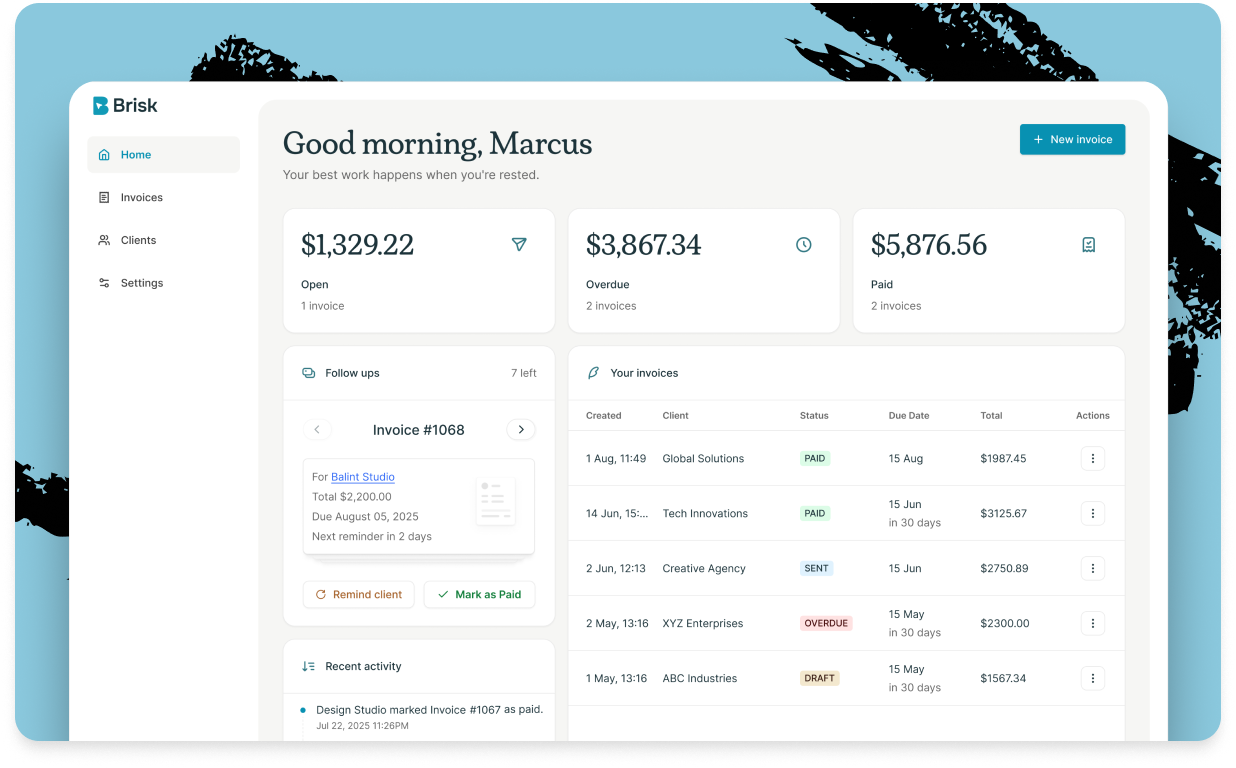
1. Brisk - I’m building a client platform for freelancers. If you’re one, check it out.
2. The Psychology Behind Design - Learn how to design products that engage using psychology tactics explained from 28+ key principles, grab the free version.

Nice read, thanks! I’m thinking how to apply it to teaching first time designers and artists in schools :)
Thank you, Balint 🥹❤️!!!
I used to appreciate and value feedback for many years, but I once had an experience where too many feedbacks overwhelmed me, where I did not noticed where the exhaustion came from. Also I became hesitant and reluctant about it afterward. Too many feedbacks pulled me into a black hole of confusion.
This made me realize how important clarity in feedback is for better understanding and action. And I will seek for it properly as if the clarification is not clear in the future. :)